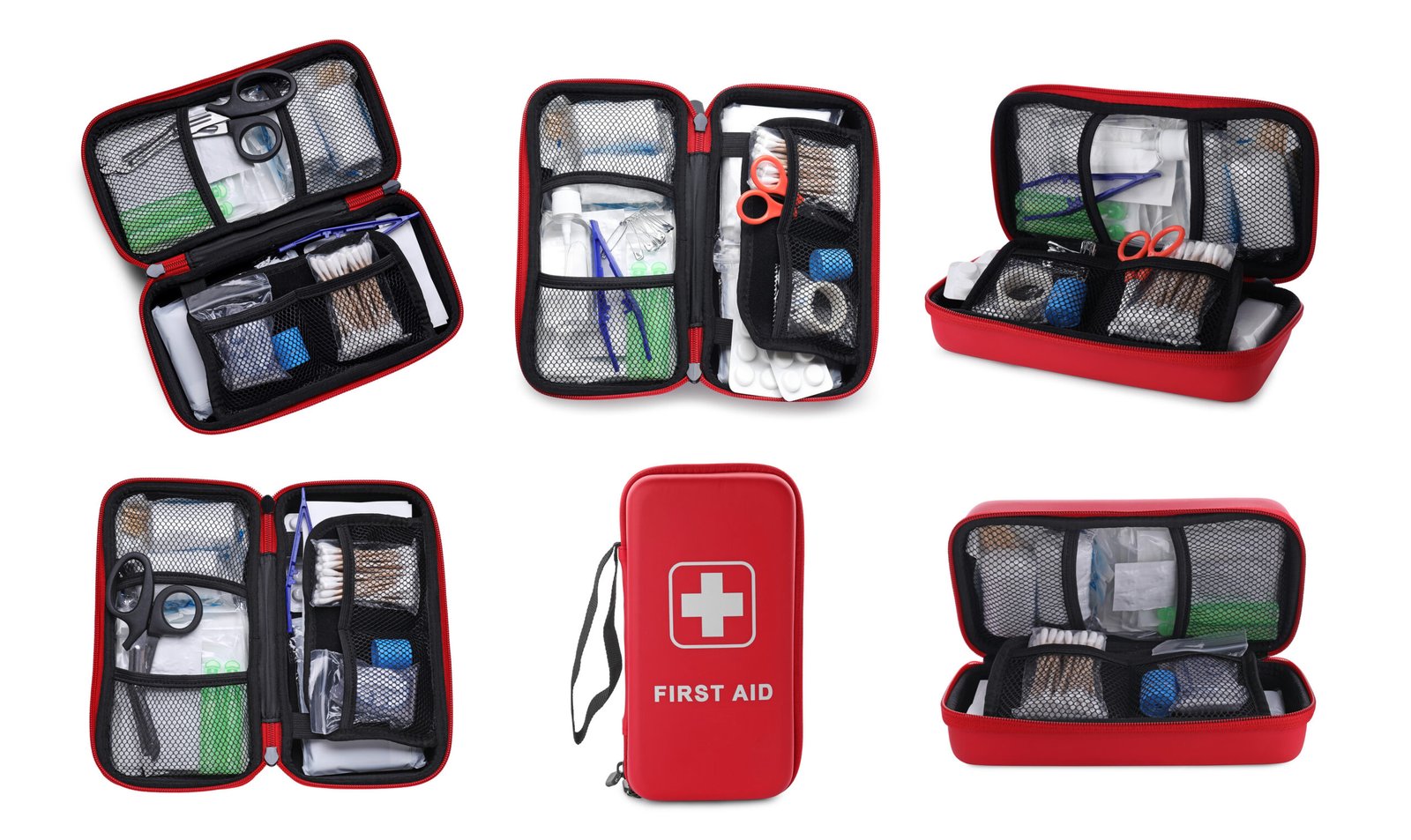
Stepping into the outdoors is one of the most rewarding ways to recharge, but nature doesn’t come with a neighborhood pharmacy around the corner. Whether you are setting up camp at a developed state park or spending the weekend in a travel trailer, a basic, well-stocked first aid kit is an absolute non-negotiable.
You do not need an emergency room on wheels. For beginner campers, the best first aid kit is clean, organized, lightweight, and focused on treating common minor outdoor injuries: cuts, scrapes, burns, blisters, and bug bites.
Core Essentials: What to Pack
1. Wound Care & Cleanliness
Cuts and scrapes are the most common outdoor mishaps—whether from split firewood, sharp camp gear, or a minor trail tumble.
- Adhesive Bandages: Pack an assortment of sizes, including knuckle and fingertip shapes.
- Sterile Gauze Pads & Medical Tape: Essential for covering larger scrapes or burns that standard bandages cannot shield.
- Antiseptic Wipes / Alcohol Swabs: Clean hands and the skin surrounding a wound before applying any dressings.
- Antibiotic Ointment: Helps prevent minor cuts and burns from becoming infected.
- Tweezers & Fine-Tip Needles: Crucial for removing splinters, thorns, or ticks safely without breaking them off in the skin.
2. Burn & Blister Treatment
- Hydrogel Burn Pads or Aloe Vera Gel: Campfires and hot camp stoves are prime hazards. Cool water should always be your first response, followed by a soothing gel or hydrogel dressing.
- Moleskin or Blister Pads: Unfamiliar hiking boots or wet socks cause blisters fast. Pre-cut moleskin applied directly to “hot spots” before a blister pops saves the whole trip.
3. Basic Over-the-Counter Medications
Keep medications in their original blister packs or small, clearly labeled containers with dosage instructions intact.
- Pain Relievers / Anti-inflammatories: Ibuprofen or acetaminophen for headache, back pain after setting up camp, or muscle soreness.
- Antihistamines: Diphenhydramine (Benadryl) for unexpected allergic reactions to plants or insect stings.
- Hydrocortisone Cream (1%): Calms itching from mosquito bites, poison oak, or minor rashes.
- Anti-diarrheal & Antacids: A stomach bug or campfire cooking misstep can derail a trip quickly.
4. Safety Tools & Accessories
- Trauma Shears or Small Scissors: Safely cut athletic tape, gauze, moleskin, or clothing without sharp pointed tips.
- Nitrile Gloves: At least two pairs of latex-free disposable gloves to keep wound treatment sanitary.
- Nitrile / Elastic Wrap (ACE Bandage): Provides support for rolled ankles or mild wrist sprains on uneven terrain.
Step-by-Step Camp Verification Checklist
Before heading out to your campsite, run through this quick 3-step prep routine:
- Check Expiration Dates: Verify that ointment tubes, liquid drops, and OTC pain relievers are all unexpired.
- Keep It Waterproof: Put your entire first aid kit in a heavy-duty, sealable dry bag or hard plastic box so the contents stay dry in damp weather or on boat trips.
- Store in an Accessible Spot: Never bury your first aid kit at the bottom of your gear bags. Keep it in a designated side pouch on your daypack or an unlocked upper cabinet in your RV so you can access it within 5 seconds.
Leave a Reply